
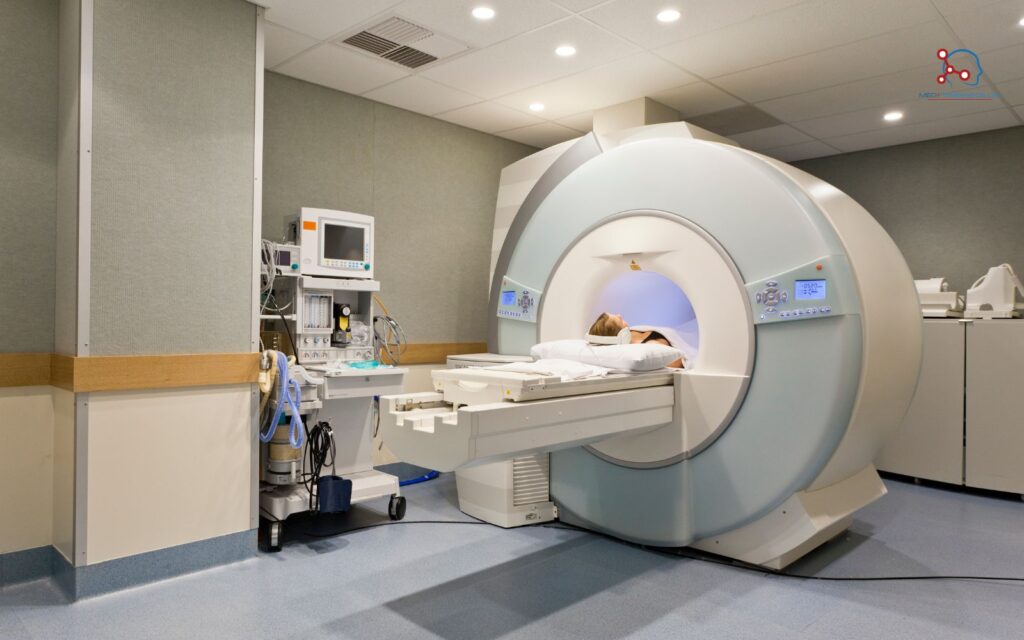
Positron Emission Tomography-Computed Tomography (PET-CT) scans are a crucial diagnostic tool in modern medicine. They help doctors detect diseases at an early stage, providing vital insights that guide treatment decisions. If you’re wondering what a PET CT scan is used for, this article breaks it down in simple, easy-to-understand terms.
How Does a PET CT Scan Work?
A PET CT scan combines two imaging technologies:
- PET (Positron Emission Tomography): Uses a small amount of radioactive material to highlight metabolic activity in tissues.
- CT (Computed Tomography): Creates detailed cross-sectional images of the body.
By merging these two scans, doctors get a complete picture of what’s happening inside your body at a cellular level.
Why Do Doctors Recommend a PET CT Scan?
A PET CT scan helps diagnose, monitor, and evaluate various conditions. Here are the primary reasons why doctors order this scan:
1. Cancer Detection and Staging
A PET CT scan is widely used in oncology to:
- Detect cancerous tumors early.
- Determine the stage of cancer (whether it has spread to other organs).
- Evaluate how well a treatment plan is working.
- Identify if cancer has returned after treatment.
Cancer types frequently diagnosed with PET CT scans include:
- Lung cancer
- Breast cancer
- Colorectal cancer
- Lymphoma
- Melanoma
- Prostate cancer
2. Assessing Brain Disorders
Neurologists use PET CT scans to examine brain activity. These scans help detect and manage conditions such as:
- Alzheimer’s disease – Identifies areas of reduced brain activity.
- Epilepsy – Locates the exact source of seizures.
- Brain tumors – Differentiates between cancerous and non-cancerous masses.
- Parkinson’s disease – Shows changes in dopamine-producing neurons.
- Dementia – Helps in early diagnosis and treatment planning.
3. Heart Disease Diagnosis
For individuals with heart conditions, a PET CT scan provides critical insights into:
- Blood flow to the heart muscles.
- The effectiveness of treatments like stents or bypass surgery.
- Whether heart tissues are damaged or still viable after a heart attack.
- Detecting coronary artery disease before symptoms appear.
4. Evaluating Infections and Inflammatory Diseases
A PET CT scan can pinpoint infections or inflammation that may not be visible on other imaging tests. It is particularly useful for:
- Detecting abscesses and unexplained infections.
- Diagnosing inflammatory diseases like sarcoidosis.
- Assessing autoimmune disorders like rheumatoid arthritis.
- Evaluating fevers of unknown origin.
5. Guiding Treatment Plans
Doctors use PET CT scans to:
- Tailor treatment plans for cancer, heart disease, and neurological disorders.
- Determine if a patient is responding to chemotherapy or radiation.
- Reduce unnecessary surgeries by providing precise imaging.
- Monitor changes in metabolic activity for various treatments.
What to Expect During a PET CT Scan
Before the Scan
- You may be asked to avoid eating for a few hours.
- You’ll receive an injection of a radioactive tracer.
- You’ll need to rest for about 30-60 minutes to allow the tracer to distribute in your body.
- Remove any metal objects, such as jewelry and belts, as they can interfere with the scan.
During the Scan
- You’ll lie on a table that moves through a large scanning machine.
- The scan typically takes 30-45 minutes.
- You must remain still to get clear images.
- The machine will detect the radiation emitted by the tracer to create detailed images.
After the Scan
- You can usually return to normal activities immediately.
- Drinking plenty of water helps flush the radioactive material from your body.
- Avoid close contact with pregnant women and young children for a few hours.
- Your doctor will review the results and discuss the next steps.
Advantages of a PET CT Scan
A PET CT scan offers several benefits over other imaging techniques, such as:
- Early disease detection – Helps identify diseases before symptoms appear.
- More accurate diagnosis – Combines functional and structural imaging for precise results.
- Non-invasive procedure – No surgery or long recovery time required.
- Helps avoid unnecessary treatments – Ensures targeted treatment plans.
- Tracks treatment progress – Shows how well a therapy is working.
Limitations and Risks of PET CT Scans
While PET CT scans are highly effective, there are some limitations and risks to consider:
- Radiation exposure – Although minimal, radiation is involved.
- Not suitable for pregnant women – Can pose risks to the fetus.
- False positives/negatives – May sometimes misinterpret metabolic activity.
- Cost – PET CT scans can be expensive, and not all insurance plans cover them.
Are PET CT Scans Safe?
Yes, PET CT scans are considered safe. The radiation exposure is minimal and comparable to other imaging tests. However, if you are pregnant or breastfeeding, inform your doctor before scheduling the scan.
Conclusion: Should You Get a PET CT Scan?
If your doctor has recommended a PET CT scan, it’s because they need a more detailed understanding of your health. While it may seem intimidating, the procedure is safe, non-invasive, and provides crucial insights that can guide your medical journey.
Always consult your healthcare provider to determine if a PET CT scan is right for you. Understanding its purpose can help you make informed decisions about your health and well-being.